Vintage Sunflower: A Designer’s Real-World Embroidery Review
First Impressions: Charm with Quiet Confidence
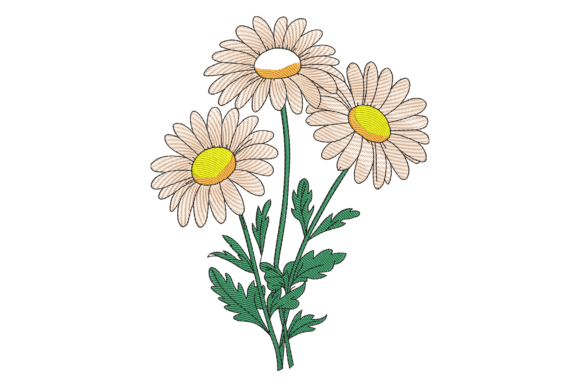
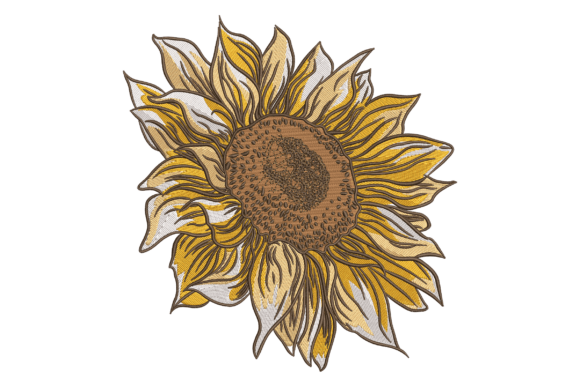
Opening Vintage Sunflower for the first time, I didn’t see “just another flower.” I saw a design that breathes warmth and intention—softly rounded petals, a slightly irregular center, and gentle line work that suggests hand-drawn authenticity. It’s not fussy or overly detailed, but it’s never flat. There’s subtle layering in the petal edges, a quiet rhythm in the stitch direction, and just enough texture to feel handmade without overwhelming the eye. As a machine embroidery design, it leans into vintage charm—not retro kitsch—but the kind of floral motif you’d find pressed between the pages of a 1940s botanical journal. That mood makes it instantly adaptable: equally at home on a linen tea towel as it is on a baby onesie or a boutique apron.
How It Performs on Real Projects (Not Just Mockups)
Last week, I stitched Vintage Sunflower onto a heavyweight cotton tote bag for a local café’s staff gift set. No digital preview could replicate how the design settled into the fabric—the satin stitch petals held crisp definition, the fill stitch center had gentle dimension without puffing, and the overall scale felt generous but not dominant. Customers noticed it immediately. Not because it shouted, but because it *felt* considered.
I’ve also tested it on a midweight sweatshirt (cotton-poly blend) and a lightweight kitchen towel. On the sweatshirt, it held beautifully with tear-away + cutaway stabilizer—no puckering, no thread nesting. On the towel, I used a light water-soluble topper, and the design retained its softness without sinking into the loops. That versatility matters: Vintage Sunflower doesn’t demand special treatment, but it rewards thoughtful execution.
For Etsy sellers and craft business owners, this is where it shines: it reads as premium without requiring premium setup time. A customer ordering a personalized gift? Vintage Sunflower on a pillow cover feels like care—not just customization. A small shop launching holiday merchandise? It adds nostalgic warmth to a linen napkin set or a baby blanket corner without clashing with seasonal palettes.
Where to Use It Thoughtfully (Not Everywhere)
Vintage Sunflower isn’t magic—it’s a well-designed embroidery file that still needs context. I wouldn’t push it onto a curved cap front unless I resized it down significantly and confirmed hoop clearance. The petal tips are delicate enough that dense stitch areas near tight corners can blur on stretchy knits without proper stabilization. On very thin fabrics (like rayon challis), I’d add a light fusible backing before hooping—otherwise, the fill stitch center may telegraph through.
Dark fabric? It works—but test your thread colors first. A creamy ecru satin stitch reads beautifully against navy, but pale yellow might disappear on charcoal unless you boost contrast with a slightly deeper tone. And while it’s lovely on baby embroidery, avoid placing it directly over seams or elastic hems where repeated washing and folding could stress the outermost stitches over time.
What It Adds Beyond Stitching
This isn’t just about how Vintage Sunflower looks—it’s about what it communicates. In a crowded handmade product market, details like balanced stitch density and intentional negative space build trust. When a customer sees clean petal edges and consistent tension across an embroidered patch or tote bag design, they subconsciously register craftsmanship—even if they don’t know embroidery terminology.
For commercial embroidery or small shop branding, Vintage Sunflower supports consistency without rigidity. Pair it with a simple monogram or minimalist text, and it elevates the whole composition. Use it solo on a tea towel, and it becomes the quiet hero of the kitchen. That flexibility means fewer design assets needed—and more cohesive storytelling across your product range.
Practical Designer Notes You’ll Actually Use
- Always test on scrap fabric first—especially when switching between fabric textures (e.g., terry cloth vs. poplin).
- Check thread color contrast early. Vintage Sunflower’s appeal lies in its tonal harmony—don’t let muddy thread choices flatten its personality.
- Review stitch density in your software. If your machine struggles with tight fills, consider reducing density by 5–8% for heavier fabrics.
- Confirm hoop size compatibility before digitizing for caps or small accessories—some versions of this design may require a 4x4” minimum.
- Inspect small details at actual stitch-out size, not just on screen. Petal tips and center definition can shift dramatically once stitched.
- Test in black and white mockups to gauge visual weight and balance—this reveals clarity issues no color preview catches.
- Compare performance on light vs. dark backgrounds using real fabric swatches, not just digital previews.
- Use appropriate stabilizer: cutaway for knits, tear-away for stable wovens, water-soluble for textured surfaces like towels.
- Verify licensing terms before selling finished products or bundling Vintage Sunflower as part of a digital embroidery collection.
Final Thought: A Design That Serves the Maker
Vintage Sunflower doesn’t ask you to work around it—it invites you to work *with* it. Whether you’re stitching custom apparel for a wedding client, building a signature line of nursery decor, or curating digital embroidery files for your Etsy shop, it delivers quiet reliability and understated character. It’s the kind of single flower design that earns repeat use—not because it’s trendy, but because it consistently enhances the thing it’s stitched onto. In a world full of flashy applique designs and over-digitized florals, Vintage Sunflower reminds us that thoughtful simplicity still sells. And stitches. And endures.